Taste the Difference at a Cuban Bakery in Aurora CO
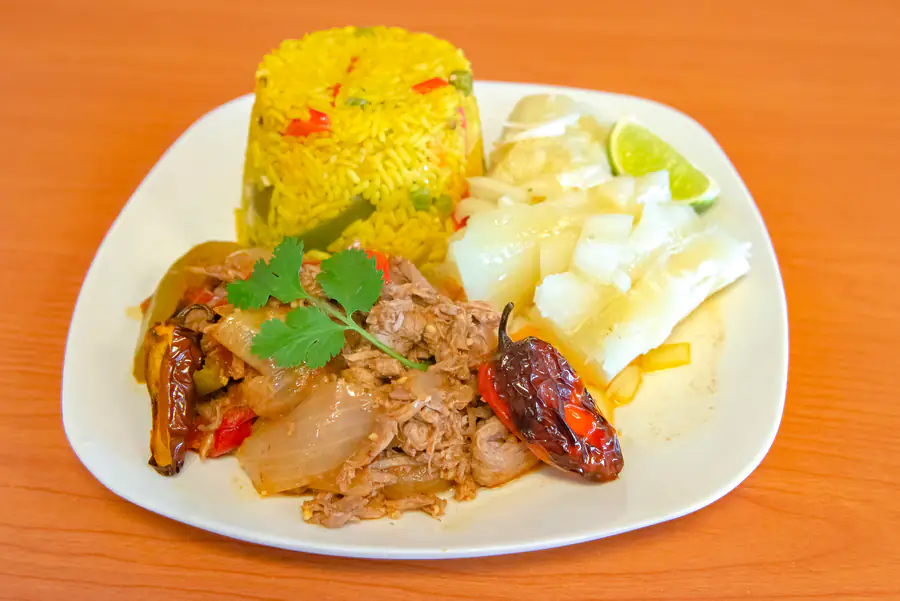
Walk into a good Cuban bakery and you notice the difference before you reach the counter. It starts with the smell, butter warming in layers of dough, sugar caramelizing at the edges of pastries, espresso pulling dark and fragrant behind the register. Then comes the sound, trays sliding out of ovens, conversations switching easily between English and Spanish, someone ordering one more box to take to work because they know it will disappear by 9 a.m.
That atmosphere matters. A bakery is never just a place to buy something sweet. In Cuban food culture, bakeries sit at the crossroads of routine and celebration. They are where people stop for breakfast on a weekday, where families pick up pastries for birthdays, where a quick cafecito turns into twenty minutes of catching up. In a city as varied and fast-growing as Aurora, that kind of place does more than feed people. It anchors a neighborhood.
If you have been searching for a Cuban bakery Aurora CO residents return to again and again, it helps to know what separates a bakery that simply sells Cuban-style pastries from one that truly delivers the experience. The difference is in the bread, the fillings, the coffee, and just as much in the rhythm of the shop itself.
What makes a Cuban bakery distinct
A Cuban bakery does not rely on novelty. Its strength comes from consistency and craft. The best ones turn out pastries and breads that look humble at first glance, then surprise you with balance and precision. Sweetness should never flatten the flavor. Flakiness should not mean dryness. Fillings should taste like guava, coconut, cream cheese, or meat, not just sugar or salt.
That may sound obvious, but in practice it is where weaker bakeries fall short. A pastelito can look perfect in the display case and still disappoint if the dough turns soggy around the filling. Cuban bread can have a respectable crust but miss the airy structure and delicate chew that make it ideal for sandwiches. Even coffee, often treated as an afterthought elsewhere, has to pull its weight here. A bakery can have good pastries, but if the espresso tastes burnt and thin, the whole experience feels incomplete.
There is also a cultural texture to a Cuban bakery that is difficult to fake. The offerings usually reflect daily habits, not just special-occasion cravings. You see savory options alongside sweets because breakfast and lunch matter as much as dessert. You see families ordering by the dozen because these pastries are meant to be shared. You hear regulars asking for the same thing they ordered last week because reliability is part of the appeal.
In Aurora, where diners have access to food traditions from across Latin America and well beyond, that authenticity becomes even more important. People know when a place is doing the real work.
The pastries that earn repeat visits
A strong Cuban bakery menu usually begins with familiarity. Guava and cheese pastries, meat-filled pastries, croquetas, Cuban bread, and coffee are the backbone. Yet each item leaves room for variation, and that is where quality reveals itself.
Take the classic guava pastry. At its best, the filling is bright and slightly tangy, never cloying, wrapped in pastry that shatters lightly when you bite in. The cream cheese version should add richness without muting the fruit. Good bakers understand proportion. Too much filling and the pastry turns heavy. Too little and it feels stingy. The goal is a bite where the fruit, dairy, butter, and crisp dough all register at once.
Savory pastries demand even more discipline. A beef pastelito should have seasoned meat that tastes cooked slowly and intentionally, not like a rushed ground beef mixture tucked into dough. Chicken versions need moisture, a detail many bakeries miss. Ham and cheese pastries can seem simple, but they depend on restraint. Too much salt and they become one-note. Too little and they taste flat.
Then there are croquetas, one of the easiest items to underestimate. Good croquetas have a creamy interior with a delicate crust, not a dense, greasy center that sits heavily after two bites. In many Cuban bakeries, they are breakfast food, snack, and party staple all at once. When a bakery gets croquetas right, it usually means they care about frying temperature, timing, and turnover. Those small operational details are often the difference between average and excellent.
Bread deserves its own attention. Cuban bread should be light with a crisp outer shell and a tender interior that compresses slightly when pressed, then springs back. That texture is what makes a proper Cuban sandwich work. The bread has to hold roasted pork, ham, mustard, pickles, and Swiss without disintegrating, but it also has to yield when pressed. Dense bread ruins the balance.
Why Aurora is the right place for this experience
Aurora has become one of the most interesting food cities in Colorado because its neighborhoods reflect so many migration stories at once. The city rewards places that cook for their own communities first and the broader public second. That dynamic tends to produce better food. Shops built around habit and heritage usually outlast places built around trend.
A Cuban bakery fits naturally into that environment. It brings a style of baking that is social, approachable, and woven into daily life. You do not need a special occasion to stop in. You can come for one pastry and a coffee, or for several boxes before a family gathering. You can pick up bread for sandwiches at home or stay long enough to watch the steady rhythm of regulars coming through the door.
There is also a practical side. In many American suburbs, truly good bakery culture can be inconsistent. You may find strong pastry shops or strong coffee shops, but not often both under one roof, and not often with savory options that hold equal weight. A Cuban bakery solves that in a very direct way. Breakfast becomes easier. Hosting becomes easier. Office meetings become easier, assuming the box survives the drive.
Anyone who has brought Cuban pastries to a workplace knows what happens next. People who swore they were skipping sugar that morning suddenly want half of a guava and cheese pastelito. Someone asks what the flaky one with powdered sugar is. Another person asks if there is more coffee. Within minutes, the box is empty except for a few stubborn crumbs in the corners. That is not nostalgia talking. It is a format built for sharing.
What to look for when choosing a Cuban bakery in Aurora CO
Finding the right Cuban bakery Aurora CO customers can rely on takes more than searching a map and picking the closest pin. A bakery reveals itself in small details, especially if you arrive during the morning rush.
The case should look active, not static. Fresh turnover matters because these pastries are at their best close to the oven. Coffee should be moving steadily, not sitting neglected while staff focus only on baked goods. Savory items should receive as much care as sweets. If a bakery treats empanadas, croquetas, or sandwiches like side products, the menu usually feels uneven.
Pay attention to how people order. Regulars are a good sign, especially when they ask for items by name without needing to scan the case. Listen for staff recommendations and watch whether they speak confidently about what is fresh. A good bakery team usually knows what came out first, what just arrived, and what will be ready soon.
A few markers help separate a memorable shop from a forgettable one:
- Pastry shells should be crisp and layered, not limp or greasy.
- Fillings should taste distinct, whether sweet or savory.
- Cuban bread should feel light in the hand, not brick-heavy.
- Coffee should be bold and balanced, not burnt.
- The room should have regular foot traffic, especially in the morning.
None of this requires luxury finishes or a polished brand identity. In fact, some of the best bakeries are fairly plain rooms with strong fluorescent lighting and a pastry case that does not care about aesthetics because the product sells itself. Substance counts more than style here.
The role of coffee in the full bakery experience
You can learn a lot about a Cuban bakery from the coffee program, even if it is small. Cuban coffee culture values intensity, but intensity should not be confused with harshness. A proper espresso should be concentrated and assertive, with enough body to stand up to sugar and milk if ordered that way. It should wake up the palate, not scorch it.
Cafecito has a social function beyond caffeine. It punctuates conversation. It rounds out breakfast. It turns a quick stop into a ritual. The sweetness, when done well, softens the bitterness and amplifies the roast rather than covering flaws. A cortadito offers another kind of balance, espresso cut with steamed milk, strong enough to keep its character but smoother through the finish.
This matters because Cuban pastries are rich in texture. Butter, sugar, fruit paste, cream cheese, fried coatings, and warm bread all ask for contrast. Coffee provides it. Pair a guava pastry with a cafecito and the fruit tastes brighter. Pair a ham croquette with a cortadito and the salt, creaminess, and coffee bitterness settle into a rhythm that makes sense immediately.
A bakery that understands this relationship usually builds a more complete experience. Customers do not need to stop elsewhere for coffee. They get the pairing in one place, the way it was meant to work.
Sweet and savory, both deserve equal billing
One common mistake among first-time visitors is to think of a Cuban bakery as purely a dessert stop. That misses half the appeal. Cuban bakeries are often strongest when sweet and savory stand side by side, each supporting the other.
The sweet side gets the visual attention. Glazed pastries and sugar-dusted items naturally catch the eye. But savory foods often create the loyal lunch and breakfast crowd that keeps the bakery busy beyond a midmorning rush. A warm pastry filled with seasoned beef or chicken can be more satisfying than many fast-casual breakfasts, and usually faster to grab. Croquetas with bread and coffee can turn a short stop into a substantial meal. Cuban sandwiches, when available and made on fresh bread, shift the bakery from a quick errand to a destination.
That range is especially useful in Aurora, where people often want flexibility. A family might stop in with different needs at once. One person wants something sweet, another wants a savory breakfast, another just wants good coffee, and someone else is buying bread to take home. A capable bakery can handle all of that without making the menu feel scattered.
There is a business lesson in that too. Bakeries that balance indulgence with practicality become part of customers' weekly routines. They are not reserved for rare cravings. They stay relevant on ordinary Tuesdays.
How freshness changes everything
Freshness is the simplest metric and the hardest one to fake. Pastries age quickly. A few hours can be the difference between crisp layers and a dull chew. Bread can lose its vitality even faster, especially in Colorado's dry climate. Fillings that tasted vivid in the morning can feel tired by late afternoon if storage is not handled carefully.
That is why timing matters. Morning is usually the safest bet for peak selection and texture, though some bakeries stagger production through the day. If you are buying for a gathering, ask what was baked most recently and what holds best over the next few hours. Guava and cheese pastries generally travel well if packed properly. Fried items can soften with time, especially if sealed while still hot. Bread is best bought close to when you plan to use it.
If you are bringing pastries home, a little care pays off. https://mylesifbs463.clarionvale.com/posts/a-taste-of-cuba-awaits-at-a-bakery-in-aurora-co Most flaky pastries improve with a brief reheat in the oven, not the microwave. A few minutes at a moderate temperature can restore much of the exterior texture without overcooking the filling. Bread responds the same way. These are small details, but they make the difference between remembering a bakery as excellent and remembering it as merely good.
For anyone planning a larger order, a few practical steps help:
- Ask which items hold their texture best for travel.
- Pick up closer to serving time if fried items are included.
- Reheat flaky pastries in the oven, not the microwave.
- Transport bread in a way that avoids crushing the crust.
- Order ahead for weekends or family events.
That advice comes from experience more than theory. Bakery boxes have a way of sliding in the car, steam has a way of softening crusts, and the item you thought would be left over is often the first to vanish.
Why authenticity is a matter of judgment, not nostalgia
People use the word authentic too loosely, often to mean familiar or old-fashioned. In a bakery context, authenticity is less about recreating a museum piece and more about understanding the core standards of the tradition. Does the bakery respect the expected textures, flavors, and combinations? Does it serve the community that recognizes those standards? Does it maintain quality day after day, not just when someone with a camera walks in?
That leaves room for adaptation. A Cuban bakery in Aurora does not need to mimic one in Miami or Havana in every detail to be credible. Ingredients, climate, labor patterns, and local demand all shape the menu. Some recipes may shift slightly. Some offerings may broaden to reflect neighboring communities. That is normal. What matters is whether the bakery preserves the essential logic of the food.
A well-run bakery also makes smart compromises. For instance, altitude and dryness can affect dough behavior in Colorado. Bakers may need to tweak hydration, proofing times, or oven settings to get the right result. Those are not shortcuts. They are signs of professional judgment. The goal is not rigid imitation. The goal is producing bread and pastries that deliver the expected eating experience under local conditions.
The bakery as part of community life
The strongest neighborhood bakeries become social institutions almost by accident. It starts with convenience and quality, then deepens into familiarity. Staff begin to recognize repeat customers. Families order cakes and pastry boxes for milestones. Someone stops in every Saturday morning after youth sports. Another customer picks up bread twice a week for sandwiches at home. Over time, the bakery becomes one of those rare places where everyday life gathers itself.
That role has practical value in a city like Aurora, where many residents balance long commutes, family obligations, and crowded schedules. A bakery that can provide breakfast, coffee, take-home bread, and celebration pastries in one stop earns trust. It saves time without feeling transactional.
There is also comfort in food that asks very little of the customer. You do not need specialized knowledge to enjoy a pastelito. You do not need a reservation or a dress code. You walk in, point to what looks good, add coffee, and leave happier than when you arrived. Good bakeries understand that simplicity is part of their strength.
Tasting with attention
If you want to appreciate what sets a good Cuban bakery apart, slow down for a moment when you eat. Notice whether the pastry flakes cleanly or collapses into grease. Notice whether the guava tastes fruity and bright or simply sugary. Notice whether the coffee sharpens the pastry's flavor or fights with it. Pay attention to the bread's structure, especially if you are eating a sandwich. The details register quickly once you know where to look.
This kind of attention is not about turning breakfast into homework. It is about understanding why some places draw loyalty across generations. People come back because the food satisfies in a very complete way. Texture, aroma, warmth, sweetness, salt, and coffee all meet at once. The result feels generous without being heavy-handed.
That is what people are really seeking when they look for a Cuban bakery Aurora CO locals recommend with confidence. They want more than a pastry case. They want a place where skill shows in small things, where tradition feels alive rather than staged, and where one bite makes the choice obvious.
A great Cuban bakery leaves you with a simple urge to return soon, maybe tomorrow morning, maybe this weekend with family, maybe before work for coffee and one warm pastry you had no intention of buying until the smell of fresh dough changed your plans. That difference is easy to taste, and once you know it, it is hard to settle for less.
Cuba Bakery & Café
15028 E Mississippi Ave, Aurora, CO 80012
+1 303-752-2822
FAQ About Cuban bakery Aurora CO
What are Cuban pastries called?
Many small Cuban pastries are called pastelitos. They can have sweet or savory fillings, such as guava, cheese, guava and cheese, or seasoned meat. Cuba Bakery & Café lists guava, cheese, guava-and-cheese and beef pastries on its menu. Ask the bakery about current availability and ingredients when ordering.
What are traditional Cuban pastries?
Common Cuban bakery choices include flaky pastelitos filled with guava, cheese or meat. Cuban bakeries may also offer empanadas, breads and desserts alongside coffee. Cuba Bakery & Café lists pastelitos, several empanada fillings, pan Cubano and desserts such as tres leches and bread pudding. Selection can vary, so confirm the day's choices with the bakery.
What makes Cuban bread different?
Cuban bread is known for its light interior and a thin crust that becomes crisp when toasted or pressed. Traditional recipes often use lard, although ingredients vary by baker. It is commonly served as buttered toast or used for Cuban sandwiches. Cuba Bakery & Café lists pan Cubano and tostada on its menu; ask staff about the ingredients in their bread if you have dietary restrictions.